Home › Services
Septic Inspections in Boise and the Treasure Valley, From Tank Lid to Drain Field
Buying or selling a home on septic in the Treasure Valley usually means someone has to answer a hard question: is this system working, and is it likely to keep working? A thorough septic inspection gets as close to that answer as anyone can without digging up the yard. It looks at the tank, the components inside it, the pipes on either side, and the condition of the soil where the effluent ends up. This page separates a drive-by glance from a dig-and-pump evaluation, explains what each step turns up on valley lots, where any inspection reaches its limits, how to read the written report, and how to time it around a closing. To get one lined up, start on the contact page.
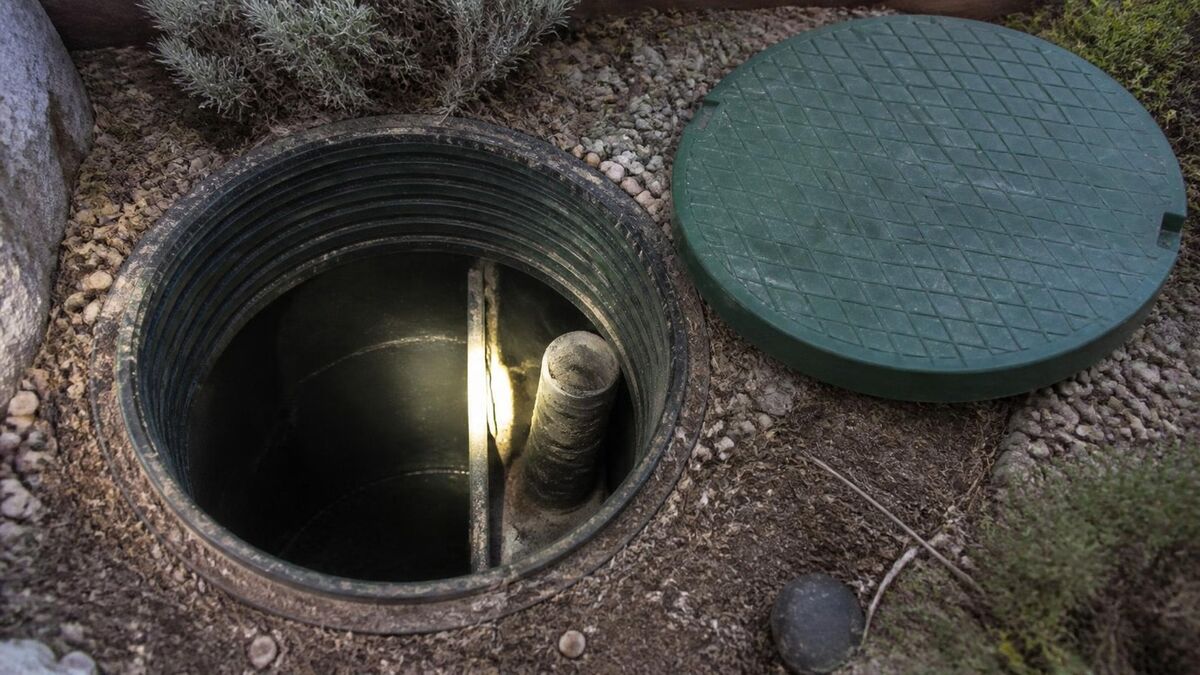
Two very different jobs share the name septic inspection
The phrase covers everything from a five-minute glance to a half-day evaluation, and buyers are often surprised to learn which one they paid for. A visual inspection usually means someone asks about the system's age and pumping history, runs water in the house, flushes a few toilets, and walks the yard looking for wet spots, odors or sewage on the surface. It can catch an obvious failure that is happening right now. It cannot tell you much about what is buried.
A full inspection goes underground. The tank is uncovered and opened, the liquid level is noted, the tank is usually pumped, the baffles and any filter are examined, and the absorption area is probed or otherwise checked for signs of saturation. Lines may be scoped with a camera. That level of effort is what most buyers actually want when they hear the word inspection, so it pays to ask exactly which steps are included before agreeing to one.
What a thorough evaluation should include
The exact checklist varies by inspector and by the type of system on the property, but a complete evaluation of a conventional gravity system generally touches each of these items:
- A review of whatever records exist: the original permit, any repair permits, prior pump-out receipts and earlier reports.
- Locating and exposing the tank, then noting the liquid level before anything is removed.
- Measuring scum and sludge, then pumping the tank so its interior can be seen.
- Examining the inlet and outlet baffles or tees, the effluent filter if there is one, and the tank walls, lid and seams.
- Checking the building sewer for flow and the line from the tank toward the distribution point.
- Opening the distribution box or any observation ports when they can be found.
- Probing the absorption area for standing effluent, saturated soil or a failing trench.
- Testing pumps, floats and alarms on systems that use a pump chamber.
- A written report with findings, photographs and plain recommendations.
Why the tank gets pumped during most full inspections
An inspector cannot see a cracked wall, a corroded outlet tee or roots pushing through a seam while the tank is full of liquid. Emptying it is the only way to look at the structure itself, so pumping is commonly folded into a real-estate inspection. Routine maintenance pumping and its own scheduling questions are covered on the septic tank pumping page.
The order matters. The liquid level should be recorded before the truck starts, because a tank sitting above its outlet is one of the clearest signals of trouble downstream. Once the tank is emptied, that evidence disappears. Watching for liquid running backward from the outlet pipe during pumping gives another clue about whether the soil past the tank is accepting water.
Baffles, tees and the effluent filter from an inspector's angle
Baffles are small parts with a big job. The inlet baffle steers incoming waste downward so it does not disturb the floating mat, and the outlet baffle keeps scum and sludge from leaving with the effluent. On older concrete tanks these were often cast into the tank and can erode away over decades. On many systems they were replaced with plastic tees that can crack, separate, or simply never have been glued in place.
An inspector will note whether each baffle is present, attached, and set at a sensible depth. A missing outlet baffle is a serious finding because it means solids may have been flowing into the soil for an unknown length of time. Where an effluent filter is installed, its condition says a lot about maintenance: a filter caked solid suggests nobody has cleaned it in years. Fixing failed components is handled on the septic repair page.
Probing the drain field for signs of saturation
The absorption area is the most expensive part of the system and the hardest to judge, because almost all of it sits below the lawn. Inspectors usually start with a careful walk, looking for patches of grass that stay greener or spongier than the rest of the yard, surfacing liquid, odor, or depressions over the trenches.
Next comes a probe rod pushed into the soil along the trench lines. In a working trench the gravel or chamber area beneath the surface is usually moist but not flooded. Standing liquid close to the top of the trench, or black, foul-smelling soil, suggests the soil is no longer absorbing what the tank sends it. Some systems have observation ports that make this easier by letting the inspector look straight down into a trench. On irrigated Treasure Valley lots, timing matters: seasonal high groundwater during irrigation months can make a trench look wetter than it would in early spring or late fall. The causes and fixes behind a struggling field are covered on the drain field repair page.
Flooding the system on purpose: the debate over load testing
A hydraulic load test introduces a large volume of water into the system over a set period and watches how the tank, distribution box and trenches respond. The idea is to simulate heavy household use and see whether the field keeps up.
Supporters argue it can reveal a marginal system that would otherwise look fine during a quiet inspection, especially in a house that has sat vacant. Critics point out that a large surge does not match how a real household uses water across a day, that it can overload a system that was working acceptably, and that the results are hard to interpret without a baseline. Some inspectors skip it entirely and rely on probing and observation. If a load test is proposed, ask how much water will be used, how the results will be read, and whether the seller has agreed to it.
Camera inspection of the lines
A small waterproof camera on a push cable can travel through the building sewer from a cleanout to the tank, and on some systems out from the tank toward the distribution box and into the laterals. It shows root intrusion, sags where water pools, offset or separated joints, crushed sections and old pipe materials that tend to fail. In homes with frequent slow drains, a camera can settle whether the problem is the plumbing between the house and the tank or the septic system itself.
What no septic inspection can prove
Even a careful evaluation is a snapshot of one day. Understanding its limits keeps expectations realistic on both sides of a sale.
- It cannot predict how long the absorption area will last, only whether it shows signs of distress now.
- It cannot fully test a system that has sat empty. A vacant house puts almost no load on the field, which can hide a problem.
- It cannot see every inch of buried pipe or trench without excavation.
- It does not confirm the system matches its permit or would meet current rules for a new installation.
- It does not account for future changes, such as more people moving in or a new bathroom added later.
- It is not a promise of future performance from anyone involved.
How to read the written report
A good report should let someone who was not on site understand what was done and what was found. Work through it in this order:
- Confirm the scope: which components were opened, probed or scoped, and which were not reachable.
- Look for the liquid level noted before pumping, along with the sludge and scum measurements.
- Read the condition notes for each baffle, the filter, the tank structure and the distribution point.
- Check what the field probing found, and what the weather and season were on the day.
- Separate maintenance items from defects. A dirty filter and a missing outlet baffle are very different findings.
- Note any recommendations for further evaluation, repair or monitoring, and who should do it.
- Look for photographs. Pictures of the open tank and the probe results make the report far more useful in a negotiation.
Timing an inspection for buyers and sellers
Buyers usually have a fixed inspection window in the purchase contract, and a full septic evaluation needs to fit inside it with time left to get repair estimates if something turns up. Book it early. Locating an unmarked tank, waiting on permit records and scheduling a pump truck can each eat into that window.
Sellers sometimes order an inspection before listing so there are no surprises mid-transaction. That approach gives time to fix a baffle or clean a filter at a calm pace. One caution for both sides: a tank pumped shortly before a buyer's inspection removes the liquid-level evidence an inspector relies on, so the buyer's side may reasonably ask for the pumping history. Winter adds its own friction. Frozen ground and snow cover slow down digging and make field probing harder, which is worth planning around when closing dates fall between December and February. Conditions differ from one community to the next, as the community pages describe.
Permit records and what drives the cost of an inspection
Central District Health for Ada County and Southwest District Health for Canyon County keep records on many systems in their jurisdictions, and asking for the file on an address can reveal the system type, approximate layout and any past repair permits. Older systems may have little or nothing on file, which is common and not a red flag by itself.
Inspections are priced by the contractor after learning about the property. The main drivers are whether the tank must be located and dug up, the tank size and whether pumping is included, how many components need to be opened, whether a camera or load test is added, the type of system, and travel distance within the valley. Send the address, the closing timeline and any records you have through the contact page.
Septic Inspections: questions people ask
How many hours should I budget for a septic inspection on a Treasure Valley home sale?
A full evaluation of a typical residential system often takes a few hours on site, and the written report follows afterward. The biggest variable is finding the tank: an unmarked tank under sod or snow can add a lot of time before the actual inspection begins. Pumping, field probing, and any camera work each add to the visit. Because purchase contracts have short inspection windows, book as soon as the offer is accepted rather than waiting until the last week.
Who usually pays for the septic inspection when buying a house in Idaho?
It is generally a negotiated item rather than something fixed. In many transactions the buyer orders and pays for the inspection because they want an evaluator working for them. Some sellers order one before listing to answer questions early, and the cost of pumping or a needed repair is sometimes split as part of the deal. Your real estate agent can tell you what is customary in your transaction, and the purchase contract should spell out who arranges it.
Can a septic system be inspected when the ground is frozen?
Often, yes, though with some trade-offs. The tank can usually be opened and pumped if the lids are accessible or have risers, and baffles and filters can be checked normally. The harder part is the absorption area, because frozen soil resists a probe rod and snow hides surface signs like wet spots. Some reports note those limits and recommend a follow-up look in spring. Ask the inspector up front which steps they expect to complete in winter conditions.
Does a regular home inspection include the septic system?
Usually not in any depth. A general home inspector may run water, note slow drains and mention visible issues, but most do not open the tank, pump it, or probe the absorption area. That is a separate specialty with different equipment. If the listing says the home is on septic, plan on a dedicated septic evaluation in addition to the general home inspection, and confirm in writing which steps each inspector will perform so nothing falls between the two.
What does a high liquid level in a septic tank mean?
When the liquid inside the tank sits above the bottom of the outlet pipe, water is arriving faster than it can leave. The most common cause is an absorption area that is no longer accepting effluent well, but a blocked outlet tee, a clogged effluent filter, a crushed line, or a failed pump on a pressurized system can produce the same reading. An inspector will try to narrow down which one it is before recommending a repair or further evaluation.
Should a seller pump the septic tank before listing the house?
Pumping right before a sale can look like a courtesy, but it can also erase the evidence an inspector needs. With the tank empty, nobody can see whether the liquid level was sitting high, which is one of the clearest early signs of a field problem. If the tank is due, a better approach is to pump it as part of a seller's pre-listing inspection, with the level recorded first, so the buyer gets both a clean tank and an honest record.
Talk through your site
Start with the address, what you want done, and a few photographs of the area, including anywhere water sits after a heavy rain.
Related work
Septic Tank Pumping
Pumping on a sensible schedule, what should be checked while the lid is open, and how often is too often.
Septic Repair
Baffles, lids, risers, pipes, pumps and alarms: failures that can be fixed without a whole new system.
Drain Field Repair
Soggy ground, slow drains and odors from a struggling field, and the options from rest to replacement.
New Septic Systems
New and replacement systems: site evaluation, permits and designs that suit Treasure Valley soil and groundwater.
Across the metro
Kuna
Fast-growing south-valley acreage and subdivisions, many on septic, on caliche and shallow hardpan.
Nampa
Canyon County homes on irrigated ground with seasonal high groundwater and older rural systems.
Eagle
Foothill and river-bottom lots, larger homes and systems sized for big households.
Star
Newer west-valley subdivisions and acreage where septic is the norm and irrigation season matters.